W11 Victorian terrace deep-pile carpet odour fixes: a practical guide for stubborn smells in older London homes
If you live in a Victorian terrace in W11, you already know the charm: tall skirting boards, bay windows, a bit of period character everywhere. But deep-pile carpets in these homes can hold onto odours in a way that feels almost stubbornly personal. One wet umbrella left by the hall, a pet accident that seemed minor at the time, or a faint damp smell from an older floor structure can settle into the fibres and linger. This guide to W11 Victorian terrace deep-pile carpet odour fixes breaks down what actually works, what tends to fail, and how to treat smells without damaging a thick carpet or the room beneath it.
Truth be told, the hardest part is usually not the smell itself. It is working out where it is coming from. Is it the carpet face fibres, the underlay, the subfloor, or moisture from the property's older build? Once you separate those possibilities, the fix becomes much clearer.
Why W11 Victorian terrace deep-pile carpet odour fixes Matters
Odours in deep-pile carpet are not just a comfort issue. In a Victorian terrace, they can affect how the whole property feels. These homes often have layered materials, older subfloors, and rooms that are naturally cooler in places. That creates a perfect setting for smells to cling. If the carpet is thick, the pile can trap moisture, dust, skin oils, pet dander, cooking particles, and spill residue far below the surface.
In W11, where many homes are lived in hard and loved properly, smells can build quietly. You may not notice them day to day, then someone comes in from outside and says, "Does it smell a bit musty in here?" Slightly awkward. Very common. The point is not to panic. It is to identify the cause with a bit of patience.
There is also a practical value angle. If you are preparing a property for guests, tenants, buyers, or simply trying to make the home feel fresh again, scent matters more than people like to admit. It is one of those invisible things that changes the whole experience of a room. A clean-looking carpet that still smells off can undo a lot of good work.
For broader home care, many readers also look at domestic cleaning in Notting Hill alongside carpet treatment, because odour problems rarely stay isolated to one surface. A hallway rug, a dusty landing, or soft furnishings nearby may be contributing too.
How W11 Victorian terrace deep-pile carpet odour fixes Works
The right odour fix depends on what is actually causing the smell. That sounds obvious, but it is where many people go wrong. A deep-pile carpet is not like a flat commercial carpet. Its fibres are long enough to hide debris, and its backing can hold smells long after the top layer looks fine.
In practice, the process usually works in layers:
- Find the source. Smell the carpet close to the pile, then near the edges, then the underlay if accessible. A musty smell near skirtings can suggest damp. A sour smell in one zone may point to a spill or pet issue.
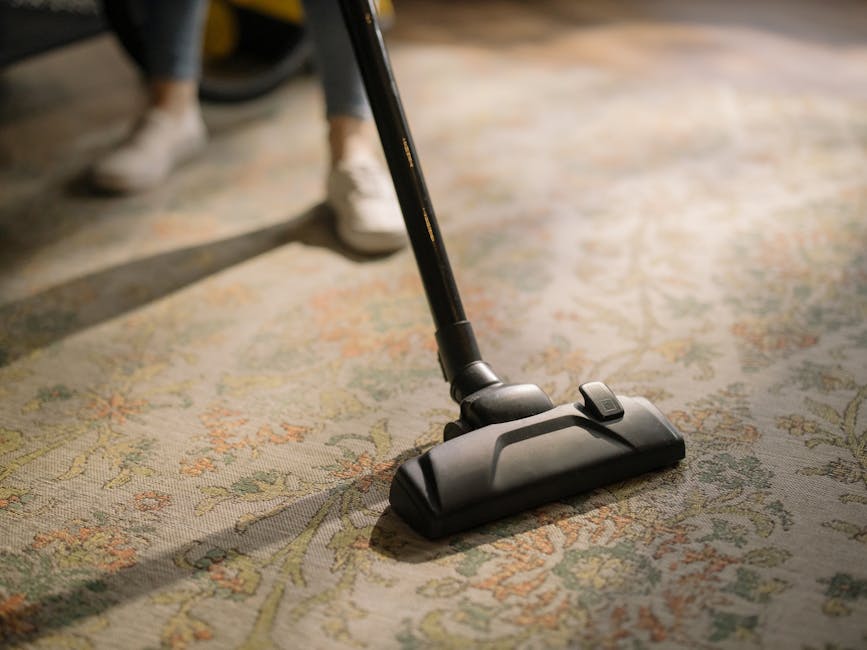
- Remove surface contamination. Vacuum slowly and thoroughly. Not a quick pass. Slow, overlapping strokes help lift debris from the pile.
- Treat the active odour. Depending on the cause, this might involve enzyme treatment for organic smells, moisture control for damp odours, or a deeper clean for traffic build-up.
- Manage moisture carefully. Deep pile that stays damp too long can smell worse, not better. Drying is just as important as cleaning.
- Check the backing and underlay. If a smell keeps returning, the issue may be below the carpet face rather than on it.
That final point is where Victorian terraces can be tricky. Older properties may have original floorboards, repairs from different eras, or underlay that has simply reached the end of its life. Sometimes the carpet is only part of the story. To be fair, that is annoying, but it is also useful because it means the visible smell is often fixable once you find the hidden layer.
For thicker pile and delicate fibres, a professional carpet cleaning service in Notting Hill is often the safer route when the odour is embedded or the carpet is expensive to replace.
Key Benefits and Practical Advantages
Getting odour fixes right does more than remove a bad smell. It protects the carpet, helps the room dry properly, and prevents the same issue from recurring next week.
- A fresher room quickly. Even a well-loved terrace can feel cleaner and calmer once stubborn smells are dealt with.
- Better indoor comfort. You stop noticing that low-level mustiness when the heating comes on or windows are shut.
- Longer carpet life. Proper odour treatment avoids over-wetting, harsh scrubbing, and fibre damage.
- Less risk of repeat smells. Root-cause treatment is the difference between a temporary fix and a real one.
- Better presentation. Helpful if you are hosting, selling, renting, or simply trying to enjoy the home again.
There is also a psychological benefit, which people underestimate. Smells have a way of making a home feel harder to relax in. When that layer clears, the room usually feels lighter too. Not magic. Just life being a bit easier.
If you are planning wider refresh work, it can help to compare carpet care with other services such as house cleaning in Notting Hill or even upholstery cleaning, especially where fabric seating and carpets share the same smell source.
Who This Is For and When It Makes Sense
This topic is especially relevant if you live in, manage, or are about to move into a Victorian terrace in W11. These are the common situations where odour fixes become necessary:
- Pet owners dealing with repeated smells from old accidents or wet paws.
- Families where spills, snacks, and everyday living have built up over time.
- Landlords and tenants trying to reset a property between occupancies.
- Homeowners noticing a damp, stale, or "closed-up" smell after winter.
- Buyers and sellers who want a property to feel clean during viewings.
- Busy households where deep pile has quietly trapped more than expected.
It makes sense to tackle the issue early if the smell appears after rain, after heating comes on, or in rooms with less airflow. Those clues often point to moisture, and moisture in an older terrace rarely sorts itself out. If you are house-hunting, this is one of those practical checks worth doing before making assumptions about the condition of the place. The carpet can tell you a lot. More than people think.
For readers thinking about moving within the area, the local context matters too. Insights from house hunting in Notting Hill can be useful when you are assessing the state of a property, especially if it has thick carpets or period floor structures.
Step-by-Step Guidance
Here is a sensible approach that works well for most deep-pile odour issues in Victorian terraces. Keep it calm, methodical, and a bit stubborn. Smell problems often are.
1) Identify the smell type
Try to decide whether the odour is musty, sour, pet-related, smoky, or stale. Musty often points to moisture. Sour can suggest organic residue. Smoke sits in fibres differently and may need a more intensive method.
2) Check the room conditions
Look for condensation on windows, cold corners, blocked airflow, or recent leaks. In older W11 terraces, a carpet smell may be amplified by poor ventilation or a damp patch that never fully dried. Open the room up a little if you can.
3) Vacuum slowly and thoroughly
Use a vacuum with strong suction and take your time. On deep pile, fast vacuuming just skims the top. Lift the pile in sections if needed. This alone can reduce some stale smells, especially where dust and lint are trapped.
4) Spot-test any treatment
Before applying a product, test it in an inconspicuous area. Deep-pile carpets can react badly to over-wetting or strong chemicals. A small test saves a lot of regret later.
5) Treat the source, not just the surface
For pet odours or spills, an enzyme-based cleaner is often more useful than perfume-heavy products. For musty smells, the priority is dryness and extraction. For smoke, neutralising residues and thorough airing are usually needed.
6) Dry properly
This is a big one. Use airflow, open doors, and, if safe and suitable, gentle heating. Do not trap dampness under a rug or furniture. A carpet that feels dry on top can still be holding moisture below.
7) Reassess after 24 hours
Some smells fade slowly, some bounce back. If the odour is still there after drying, the underlay or subfloor may need attention. If you keep covering it with scented spray, it usually comes back louder. Annoying, but true.
8) Escalate if the smell persists
Persistent odour often means deeper contamination. That is the point where hot water extraction, specialist treatment, or even underlay replacement might be needed. If the carpet is valuable, get advice before doing anything aggressive.
Expert Tips for Better Results
A few practical habits make a big difference, especially in older homes where airflow and moisture behave in their own way.
- Work from the source outward. If the smell is strongest by a radiator pipe, bay window, or external wall, start there.
- Use less liquid than you think. Deep pile holds moisture. Too much water is one of the fastest ways to create another odour problem.
- Lift soft furnishings off the carpet. A sofa or ottoman can trap damp underneath and keep the smell alive.
- Air the room at the right time. A quick burst of fresh air in the morning can help more than leaving windows open all day in damp weather.
- Be careful with powder. Some carpet powders can sit deep in the pile and become awkward to remove. A lot of people use too much. Then it turns into a dusty little disaster.
- Watch for recurring patterns. If the smell returns after wet weather, the issue may be structural, not cosmetic.
If the odour is accompanied by staining, fibre matting, or repeated spill marks, a broader clean may help. In homes where furniture, curtains, and carpets all share the same air, it can be useful to think about the room as a system rather than one surface at a time.
For related reading on nearby carpet care and local property context, the article on Portobello Road rug care is a useful companion, especially if rugs and carpets are being treated together.
Common Mistakes to Avoid
Odour removal sounds simple until you are halfway through it and realise you have made the smell more complicated. These are the errors I would avoid.
- Over-wetting the pile. It is one of the most common mistakes, and it can make musty odours worse.
- Using fragrance to mask the issue. A scented spray is not a solution if the source is still active.
- Scrubbing aggressively. Deep-pile fibres can distort, fuzz, or flatten if you attack them too hard.
- Ignoring the underlay. If the smell returns, the underlay may be holding the contamination.
- Skipping drying time. Rushing the room back into use traps moisture and defeats the point.
- Assuming every smell is the same. Pet odour, damp, and smoke each need a different approach.
In older terraces, another mistake is assuming the carpet itself is to blame when the real issue is airflow or a hidden leak. That bit matters. If you don't check properly, you can spend money twice.
Tools, Resources and Recommendations
You do not need a warehouse of gear to deal with a carpet odour, but a few sensible tools help a lot.
| Tool or resource | What it helps with | Why it matters in deep-pile carpet |
|---|---|---|
| Strong vacuum with adjustable height | Removing dust, debris, and loose odour particles | Deep pile needs slower, more deliberate cleaning |
| Enzyme cleaner | Organic odours from pets or food spills | Helps break down residues instead of masking them |
| Microfibre cloths | Blotting spills and lifting surface residue | Better for controlled treatment than harsh rubbing |
| Fan or safe airflow setup | Drying after treatment | Drying is critical in older homes with cooler floors |
| Moisture awareness | Spotting recurring damp issues | Useful where Victorian construction may hold hidden moisture |
For service planning, it is worth checking a provider's services overview and, if relevant, their pricing and quotes information before booking. That gives you a clearer idea of what is included and what sort of treatment may suit your carpet.
And if you are the sort of person who wants to know the business details before inviting anyone into the house, that is perfectly reasonable. Pages like about us, insurance and safety, and health and safety policy are there for exactly that kind of reassurance.
Law, Compliance, Standards, or Best Practice
For carpet odour work in a home, there is usually no special legal process to follow, but best practice still matters. If you are treating a rental property, a managed building, or a shared hallway, it is sensible to think about safety, drying time, ventilation, and any risk of slip hazards from wet carpet.
UK landlords and tenants also tend to expect properties to be left in a reasonably clean and habitable condition between occupancies. That does not mean perfection, but it does mean unwanted smells should not be ignored. If a problem looks structural, damp-related, or linked to a leak, it is wise to deal with that separately rather than treating the carpet as the only issue.
For domestic cleaning work, reputable providers should be clear about their procedures, complaints process, payment terms, and privacy handling. Those details sound dull, I know, but they matter. If you want to check the practical side of working with a company, it helps to review terms and conditions, payment and security, privacy policy, and complaints procedure.
For a local perspective, people often combine carpet work with broader cleaning in a terrace home. That can include end of tenancy cleaning or office cleaning for mixed-use properties, though the exact service should always match the setting.
Options, Methods, or Comparison Table
Not every odour needs the same solution. The right method depends on what the smell is, how deep it has gone, and how sensitive the carpet is.
| Method | Best for | Pros | Limitations |
|---|---|---|---|
| Thorough vacuuming | Dusty, stale, low-level odours | Quick, low risk, good first step | Won't solve embedded smells |
| Spot treatment | Small spills or localised pet issues | Targeted and cost-conscious | Can miss deeper contamination |
| Enzyme cleaning | Organic odours | Breaks down source material | Needs correct dwell time and drying |
| Hot water extraction | Widespread odour in thick pile | Deep cleaning effect, good for heavy build-up | Risk of over-wetting if done poorly |
| Underlay replacement | Persistent smells from below the carpet | Addresses the actual reservoir of odour | More disruptive and costly |
For many W11 Victorian terraces, a mixed approach works best: vacuum first, treat the source, dry thoroughly, then reassess. If the smell is in the underlay, no surface-only method will really hold. That is the honest answer, even if it is not the cheapest one.
Case Study or Real-World Example
Here is a realistic example from the kind of situation people often run into in a terrace home.
A family in a Victorian house noticed a mild musty smell in the front room carpet after a long damp spell. The carpet was a deep, soft pile, and it looked clean enough at first glance. But when they ran their hand along the edges near the bay window, the smell was stronger. There had also been condensation on the window during cold mornings, and the room was used less often, so airflow was poor.
They started with a careful vacuum, then lifted furniture away from the external wall and improved ventilation. A small patch was treated first rather than soaking the whole carpet. After that, the room was dried properly over a day, not an hour. The smell reduced a lot, but not entirely. That suggested the issue was partly below the surface. A deeper clean helped, and the carpet edge was eventually rechecked for moisture. It was not dramatic. Just methodical. And that was enough.
The useful lesson? Don't guess too early. Odours in deep-pile carpet can look like one thing and turn out to be another. A good fix often comes from a steady sequence, not a single miracle product. If only it were that easy, eh?
Practical Checklist
Use this simple checklist before you commit to a treatment:
- Have you identified whether the smell is musty, sour, pet-related, or smoky?
- Have you checked the room for condensation, leaks, or poor airflow?
- Have you vacuumed slowly and thoroughly?
- Have you spot-tested any cleaner in a hidden area?
- Have you treated the likely source rather than just masking the smell?
- Have you allowed enough drying time?
- Have you checked whether the smell returns after 24 hours?
- Have you considered whether the underlay may be affected?
- Are nearby fabrics, rugs, or upholstery contributing to the same smell?
- Do you need a professional clean for a valuable or delicate carpet?
If you tick most of those boxes and the smell is still there, the problem is probably deeper than a standard DIY surface clean. That is the point where a more specialist approach starts to make sense.
Conclusion
Deep-pile carpet odours in W11 Victorian terraces are usually fixable, but they need the right kind of attention. The trick is not to attack the carpet blindly. It is to read the signs: where the smell is strongest, whether moisture is involved, and whether the underlay or subfloor might be part of the story. Once you do that, the whole process becomes less frustrating and a lot more effective.
For some homes, a careful clean and proper drying will do the job beautifully. For others, especially older properties with recurring damp or embedded pet odours, it may take a deeper reset. Either way, the goal is the same: a room that smells like a home again, not a problem.
Get a free quote today and see how much you can save.
And if you want to explore more local context or background reading, the blog is a useful place to start, alongside pieces like Notting Hill resident experiences, property investment strategies in Notting Hill, and Westbourne Grove shop carpets same-day commercial clean for a broader sense of how local properties are cared for.
Frequently Asked Questions
Why does my deep-pile carpet in a Victorian terrace smell musty even after vacuuming?
Vacuuming removes loose dust and debris, but musty odours often come from moisture in the pile, underlay, or nearby building fabric. In a Victorian terrace, older floors and cooler edges can hold onto that smell longer than you might expect.
What is the best first step for W11 Victorian terrace deep-pile carpet odour fixes?
Start by identifying the smell type and checking for moisture, then vacuum slowly and thoroughly. If the odour is localised, treat that area first rather than the entire carpet.
Can I use baking soda on deep-pile carpet?
Sometimes, but use it carefully. Fine powders can sink deep into a thick pile and become hard to remove. If you use any powder treatment, test a small area and make sure it is fully extracted afterwards.
How do I know if the smell is coming from the underlay?
If the smell returns after cleaning, feels strongest near the edges, or gets worse when the room is warm or damp, the underlay may be involved. Persistent odours that "come back" are a common clue.
Are enzyme cleaners safe for deep-pile carpets?
They can be, if used correctly and spot-tested first. They are often useful for pet and food-related smells because they help break down the residue causing the odour, rather than just covering it up.
How long should a carpet take to dry after odour treatment?
Drying time depends on the method used, room airflow, and thickness of the carpet. What matters most is that the carpet is fully dry before furniture goes back, because trapped moisture can create a worse smell later.
When should I call a professional instead of doing it myself?
If the carpet is expensive, the smell is strong or persistent, the room seems damp, or you suspect the underlay is affected, professional help is usually the safer option. Delicate deep pile does not like rough treatment.
Can old Victorian floorboards cause carpet odours?
Yes, they can contribute indirectly. Gaps, past water ingress, or subfloor moisture may allow smells to linger. The carpet is often only part of the story in an older terrace.
Is it safe to open windows and use heating at the same time?
Usually, a little airflow helps drying, but the balance depends on weather and the room's condition. In colder months, short bursts of ventilation can work better than leaving everything open for hours.
How often should deep-pile carpet in a W11 terrace be professionally cleaned?
That depends on how the home is used. Homes with pets, children, or heavy foot traffic often benefit from more regular care. The main point is not a fixed timetable; it is not letting small smells become a long-term issue.
Will a strong fragrance spray solve the smell quickly?
It may hide the smell for a short time, but it does not deal with the cause. In fact, heavy fragrance can make it harder to judge whether the real odour has been removed.
What if the odour only appears when the heating is on?
That often suggests the smell is being released from the fibres, underlay, or nearby materials as the room warms up. It is a useful clue, and usually worth investigating rather than ignoring.