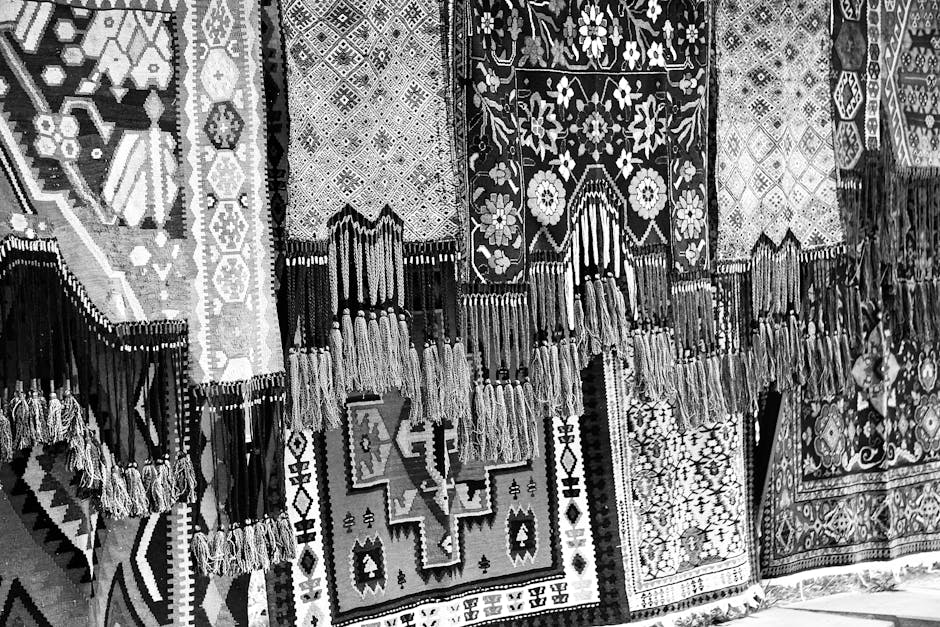
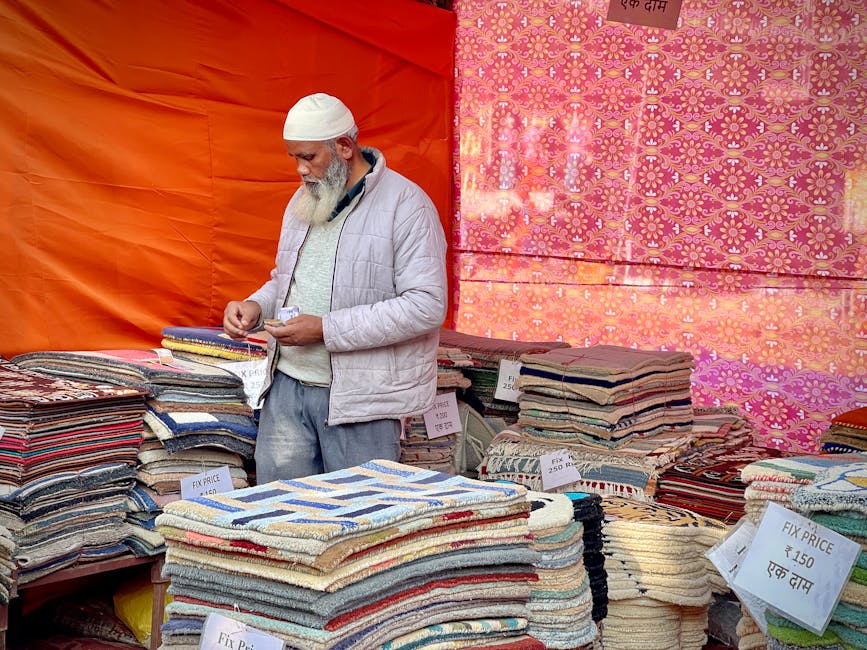
Portobello Market stalls: carpet & fabric hygiene tips that keep displays fresh, safe, and sale-ready
Stallholders at Portobello Market know that presentation is part of the product. Whether you sell vintage rugs, woven throws, antique textiles, or fabrics laid out across table covers and display carpets, hygiene affects how people judge quality in seconds. Portobello Market stalls: carpet & fabric hygiene tips are not just about looking tidy; they help reduce dust, odour, visible wear, and the kind of "maybe I'll come back later" reaction that usually means no sale.
The challenge is that market conditions are rarely gentle. Footfall is heavy, weather changes quickly, stock gets handled constantly, and fabrics can pick up street grime far faster than indoor retail displays. This guide breaks down what matters, how to keep carpets and textiles clean in a real-world stall environment, and how to do it without overcomplicating your setup. If you want a broader view of professional support and local service options, the services overview and the main blog hub are useful starting points.
Good hygiene does two jobs at once: it protects your stock and it signals professionalism. That matters at Portobello, where shoppers are often comparing several stalls in quick succession.
Table of Contents
- Why Portobello Market stalls: carpet & fabric hygiene tips matter
- How the cleaning approach works in a market setting
- Key benefits and practical advantages
- Who this is for and when it makes sense
- Step-by-step guidance
- Expert tips for better results
- Common mistakes to avoid
- Tools, resources and recommendations
- Law, compliance, standards, and best practice
- Options, methods, or comparison table
- Case study or real-world example
- Practical checklist
- Conclusion
- Frequently asked questions
Why Portobello Market stalls: carpet & fabric hygiene tips matter
At a market like Portobello, your textiles are visible before your signage is read. A rug with embedded grit, a tablecloth that smells faintly damp, or a fabric display that looks tired can quietly undermine trust. Most buyers will not say, "This stall has poor hygiene." They simply move on.
There is also a practical side. Carpets and fabrics in a stall environment are exposed to:
- street dust and exhaust residue
- mud and rain tracked in by visitors
- spillages from drinks or food nearby
- pet hair, lint, and fibres from frequent handling
- odours from stored stock, plastic covers, or damp conditions
In a historic and design-conscious area such as Notting Hill, presentation carries extra weight. Shoppers exploring the neighbourhood may also be reading about the area itself, from local quieter spots in Notting Hill to broader lifestyle pieces like resident experiences. A clean, well-kept stall fits that expectation naturally.
There is another reason to pay attention: textiles are harder to "spot clean" successfully than hard surfaces. Once dirt settles into pile, weave, or fringe, it becomes more difficult to restore the appearance without proper technique. That is why prevention, not just reactive cleaning, is the smarter approach.
Expert summary: In a market stall, good textile hygiene is mostly about consistency. Light daily upkeep prevents heavy recovery work later, protects stock value, and makes the stall feel more credible at first glance.
How Portobello Market stalls: carpet & fabric hygiene tips works
The best cleaning approach for market stalls is layered. You do not need to deep clean everything every day, but you do need a routine that matches the way stock is used. Think in three levels: surface care, targeted cleaning, and scheduled deep cleaning.
1. Surface care during trading hours
This is the fast maintenance that keeps a stall presentable while you are open. It includes shaking out loose dust, brushing fibres in the correct direction, blotting spills quickly, and removing debris before it gets walked in or pressed deeper into the material.
2. Targeted treatment after incidents
If a mug tips over, a customer brushes against a delicate textile with dirty hands, or the weather turns your floor covering into a mud magnet, you need a prompt, material-appropriate response. This means treating the affected area only, using the least aggressive method that still works.
3. Planned deep cleaning
Deep cleaning addresses the build-up that daily tidying misses. For carpets and heavier rugs, that may mean extraction cleaning or controlled low-moisture methods. For fabrics, it could involve careful vacuuming, stain treatment, and cleaning by fibre type. If the item is valuable or antique, professional assessment is often the safer route.
That approach aligns well with the way specialist cleaning services are normally organised. If you are comparing support for floor coverings, the carpet cleaning in Notting Hill page is relevant, and for soft furnishings there is also upholstery cleaning in Notting Hill. For more delicate or high-value floor items, the guide on Portobello Road rug care is a useful companion read.
The point is not to clean more. The point is to clean in the right sequence.
Key benefits and practical advantages
Clean carpets and fabrics do more than improve appearance. For a stallholder, the benefits are both commercial and operational.
- Better first impressions: A tidy display suggests care, and care suggests quality.
- Longer stock life: Removing grit, moisture, and oils helps prevent premature wear.
- Reduced odour: Fresh textiles feel more appealing, especially in enclosed or weather-hit stalls.
- Less visible damage: Regular maintenance catches small issues before they become permanent stains.
- Higher customer confidence: Shoppers are more comfortable handling products that look clean and well maintained.
- Easier end-of-day pack down: Less debris means faster reset and less frustration.
There is also a subtle sales benefit. Clean textiles photograph better. If you post new arrivals online or share updates with regular customers, a rug or fabric that looks bright and cared for will simply do a better job. That matters more than many sellers expect.
For businesses with broader cleaning needs, it can also help to think beyond the stall itself. Some owners combine market upkeep with regular support from domestic cleaning services or house cleaning in Notting Hill if stock is stored at home or in a mixed-use space. The cleaner the storage environment, the easier stall hygiene becomes.
Who this is for and when it makes sense
This guidance is most useful for people who work with textiles in busy, semi-open, or weather-sensitive selling environments. That includes:
- vintage and antique textile sellers
- rug and runner traders
- curated homeware stalls
- fashion and accessory sellers with fabric-based stock
- market operators managing shared floor coverings
- stallholders who use carpets, mats, or fabric drapes for display
It also makes sense if you are preparing for busier trade periods, seasonal peaks, or special market weekends where footfall rises and cleaning demands rise with it. Anyone who has traded through a damp spell knows how quickly a neat display can start looking tired.
For business owners thinking more broadly about their setup, the local commercial cleaning context is worth considering too. A well-run workspace, storage room, or office base can support better stall presentation, which is one reason some traders look at office cleaning in Notting Hill alongside stall care. If you are reviewing service fit and scope, the about us page is helpful for understanding the company background and approach.
In short, this is for you if your fabrics are part of the customer experience, not just the stock room.
Step-by-step guidance
A reliable cleaning routine does not need to be complicated. It needs to be repeatable. Here is a practical way to structure it.
Step 1: Separate items by material and risk
Before cleaning, group items into categories: washable, vacuum-only, delicate, antique, synthetic, natural fibre, and high-risk stain-prone textiles. A cotton throw can often tolerate far more than a wool rug with dye sensitivity. This one step prevents a lot of avoidable damage.
Step 2: Remove dry soil first
Always start by removing loose dust, grit, and lint. Vacuum with the right attachment where possible, or use a careful shake-out and soft brush for items that should not be machine treated. Dry soil is the enemy because it acts like sandpaper once people start walking or handling the textile.
Step 3: Deal with spots immediately
Blot, do not rub. Rubbing drives the spill deeper and can distort the fibres. Use a clean white cloth, a controlled amount of suitable cleaning solution, and test in an inconspicuous area first. If a textile is valuable or the stain is unknown, stop and reassess before making it worse. That is not overcaution; it is simply good trade sense.
Step 4: Control moisture carefully
Market stalls rarely forgive over-wetting. Excess moisture can leave tide marks, create odour, or encourage mildew if stock is packed away too soon. Use as little water as necessary, improve airflow, and allow full drying before storage or display.
Step 5: Refresh presentation surfaces
Table coverings, runner mats, and decorative fabric backdrops should be cleaned as frequently as the traffic they receive. If a cover touches the ground or is repeatedly handled by customers, treat it as a high-contact item and clean it more often.
Step 6: Schedule a deeper reset
Set aside regular deep-clean intervals, especially after wet weather or peak trading weekends. That may mean professional rug treatment, controlled upholstery-style cleaning for padded display items, or a full stock refresh. Keep a simple log so you know what was cleaned, when, and with what method. A notebook or shared spreadsheet is enough; no need for a grand system worthy of a royal archive.
Step 7: Store items correctly after cleaning
Dry, cool, and breathable storage matters. Avoid compressing textiles before they are fully dry. Use protective covers that allow airflow, not sealed plastic for long periods, unless the item truly needs temporary splash protection.
Expert tips for better results
Small details often make the biggest difference. These are the habits that tend to separate a tidy stall from one that stays genuinely fresh.
- Use entrance matting where possible. Even a modest mat helps reduce grit transfer onto carpets and display textiles.
- Keep separate cloths for different jobs. One for dusting, one for spills, one for final buffing. Mixing them just spreads grime around.
- Rotate high-touch pieces. If one rug corner or fabric panel takes the brunt of footfall and handling, rotate it to even out wear.
- Work with the fibre, not against it. Wool, cotton, silk, synthetics, and blended fabrics all behave differently under moisture and agitation.
- Protect displays from weather drift. Even light rain or humidity can affect textiles left near entrances or open sides of a stall.
- Use odour as an early warning sign. If a textile smells musty, do not just perfume over it. Find the cause.
- Keep stock off dirty ground surfaces. Raised display boards or shelves save time and reduce contamination.
If you have repeat customers, they will notice the difference. Not always consciously, but they will notice. Clean stock feels cared for, and people respond to that. In a market setting, that is often enough to turn browsers into buyers.
Common mistakes to avoid
Most textile hygiene problems are not caused by one big failure. They come from small, repeated missteps. Here are the ones to watch.
Using too much water
Over-wetting is one of the fastest ways to cause trouble. It can leave rings, slow drying, and create a stale smell that makes stock less appealing.
Ignoring fibre type
What works on a synthetic display runner may damage a natural fibre rug. If in doubt, treat the item as more delicate than you think, not less.
Rubbing stains aggressively
This can spread the mark, distort the pile, or push residue deeper into the weave.
Storing damp textiles
Even slight dampness can become a problem in sealed containers or crowded storage spaces. Drying properly is part of cleaning, not an optional extra.
Using harsh chemicals because they seem faster
Strong products can bleach colour, leave residue, or affect hands and surrounding stock. Safer is usually smarter.
Forgetting the environment around the textile
A spotless rug beside dusty shelving or dirty underlay still gives off the wrong impression. Hygiene has to extend to the whole display area.
For traders who manage repairs, packing, and presentation in the same place, it can also help to review broader support options such as end of tenancy cleaning if a storage or prep space needs a reset before busy seasons. That may sound unrelated at first, but cluttered or neglected prep spaces often become the hidden source of textile problems.
Tools, resources and recommendations
You do not need a huge kit to maintain good hygiene. A sensible, compact set of tools is usually enough.
| Tool | Best use | Why it helps |
|---|---|---|
| Vacuum with upholstery attachment | Daily or weekly dust removal | Removes grit before it settles deeper into fibres |
| Soft-bristled brush | Gentle surface refresh | Helps lift lint without roughening the weave |
| Microfibre cloths | Spot treatment and drying | Useful for controlled blotting and residue removal |
| White cotton towels | Spill response | Show transfer clearly and reduce dye risk |
| Breathable storage covers | Post-clean storage | Protects while allowing airflow |
| Portable fan or airflow aid | Drying support | Speeds drying and reduces musty odours |
When buying products, choose items that are clearly suitable for the fibre type you are handling. If the label is vague or overly aggressive in its claims, be cautious. A product that promises to solve everything usually solves nothing well.
For traders who want professional help or want to compare service scope, the relevant pages on pricing and quotes and carpet cleaning support can help with next-step decision making. If you need confidence around operational standards, the health and safety policy and insurance and safety pages are useful trust references.
Law, compliance, standards, and best practice
For market stalls, hygiene is usually less about a single strict rule and more about doing the right things consistently. That said, if you are trading in a public setting, you should always pay attention to local market rules, landlord requirements, waste handling expectations, and any health-and-safety guidance relevant to your stall setup.
Best practice generally includes:
- keeping the display area clean and free from trip hazards
- ensuring cleaning products are used safely and stored properly
- avoiding obstructed walkways or slippery residues after cleaning
- using suitable methods for the textile type
- preventing mould, mildew, and persistent dampness
- recording or at least remembering when deep cleans are due
If you employ staff or helpers, clear instructions matter. A quick cleaning guide that lives in the stall bag is better than everyone doing their own thing. Consistency is the point.
For business transparency and customer confidence, it can also help to review site-wide policies such as the terms and conditions, privacy policy, and payment and security pages. Those do not clean textiles, of course, but they reinforce the kind of professional structure shoppers and trade clients tend to trust.
Options, methods, or comparison table
Different textile-cleaning approaches suit different stall scenarios. Here is a simple comparison to help you decide what is practical.
| Method | Best for | Advantages | Limitations |
|---|---|---|---|
| Dry vacuuming | Routine dust and grit removal | Fast, low-risk, easy to repeat | Won't remove deep stains |
| Spot blotting | Fresh spills and small marks | Immediate, cost-effective | Can fail on set-in stains |
| Low-moisture cleaning | Display rugs and sensitive fabrics | Faster drying, less saturation | May need specialist equipment |
| Extraction cleaning | Heavier carpeted areas or durable rugs | More thorough soil removal | Not ideal for every textile |
| Professional cleaning | Valuable, delicate, or heavily soiled items | Expert assessment and controlled treatment | Higher cost than DIY methods |
Practical rule of thumb: if the item is decorative, valuable, fragile, or hard to replace, choose the gentlest method that gives a credible result. If the item is standard and robust, a stronger method may be appropriate. The trick is matching method to material, not guessing.
Case study or real-world example
Consider a trader who uses a layered rug display at a weekend market stall. The rugs sit near the entrance, where they catch grit from passing feet and a bit of moisture on wet days. At first, the trader only cleans them after they start looking dull. The result is predictable: one rug develops a greyed traffic path, another begins to smell slightly musty after a rainy spell, and the whole stall starts to look less curated.
After adjusting the routine, the trader does three things differently:
- vacuuming becomes part of the opening setup
- spills are blotted immediately with clean cloths
- the rugs are rotated weekly and deep cleaned on a planned schedule
The change is not dramatic in a flashy sense. It is better than that. The stall simply looks more reliable. Colours appear clearer, the floor area feels fresher, and customers stay longer. That is often the real win in a market context.
For traders who keep inventory in a home base or prep space, this kind of consistency can be supported by broader cleaning habits too. A tidy storage environment reduces dust transfer, and a routine for house cleaning in Notting Hill or nearby domestic support can make a noticeable difference during busy seasons.
Practical checklist
Use this as a quick pre-trading or post-trading reference.
- Have I removed loose dust, grit, and lint from carpets and fabrics?
- Are all visible stains treated or at least noted for later attention?
- Have I checked for dampness, odour, or mildew risk?
- Are display fabrics clean, smooth, and properly arranged?
- Are any rugs or textiles due for rotation or deep cleaning?
- Are cleaning products suitable for the fibre type?
- Have I kept walkways safe and not left residue on the floor?
- Are stock items fully dry before packing away?
- Is storage breathable, clean, and protected from moisture?
- Have I logged any issues that need professional treatment?
Quick reassurance: You do not need perfection every day. You do need a system that stops small problems becoming expensive ones.
Conclusion
Portobello Market stalls succeed when they feel curated, cared for, and worth exploring. Clean carpets and well-maintained fabrics are part of that signal. They protect the stock you have invested in, improve the way your stall is perceived, and reduce the time spent chasing avoidable dirt and odour problems.
The best approach is simple: remove dry soil often, treat spills carefully, control moisture, and plan deeper cleaning before problems build up. If you handle valuable rugs, delicate textiles, or a high-volume display setup, professional support can save time and preserve quality. That is especially true when your stall has to look good in all weather, not just on a bright Saturday morning.
If you want a cleaner, more polished stall without guessing at the right method, start with a proper quote and a practical plan. Get a free quote today and see how much you can save.
Frequently Asked Questions
How often should stall carpets and display fabrics be cleaned?
Light cleaning should happen regularly, ideally every trading day or after any visible spill. Deep cleaning depends on traffic, material type, and weather exposure. High-touch or floor-level textiles usually need attention more often than decorative pieces kept out of reach.
What is the safest way to clean a rug at a market stall?
Start with dry soil removal, then use the least aggressive method suitable for the fibre. Spot blotting is safer than rubbing, and low-moisture cleaning is often better than saturating the item. If the rug is valuable or delicate, professional assessment is the safer choice.
Can I use the same cleaner on all fabrics?
Usually not. Different fibres react differently to water, solvents, and agitation. Cotton, wool, synthetics, and blends all need different handling. Always test first and avoid assuming one product suits everything.
How do I stop fabrics from smelling damp at a stall?
Focus on drying, airflow, and storage. Damp smells usually come from moisture trapped in fibres or packed-away stock. Clean items should be fully dry before storage, and storage areas should be ventilated and free from lingering humidity.
Are market stalls required to follow specific cleaning standards?
There is rarely one universal standard for every stall, but local market rules, site safety expectations, and general workplace hygiene principles still matter. Keep the area safe, clean, and suitable for public access, and follow any venue-specific requirements.
What should I do if a customer spills something on a display rug?
Blot the spill immediately with a clean cloth, avoid rubbing, and use a cleaning method that matches the textile. If the spill is large, oily, coloured, or sticky, it may be better to stop and arrange deeper treatment rather than making the mark spread.
Is professional cleaning worth it for market stock?
Often yes, especially for high-value, delicate, antique, or heavily used textiles. Professional cleaning can reduce risk, improve appearance, and save time when the stock is difficult to treat safely by hand.
How do I keep rugs clean in wet weather at Portobello?
Use entrance matting, raise textiles off the ground where possible, and increase inspection frequency. Wet weather brings in mud and moisture fast, so drying and quick spot treatment become more important than usual.
What is the biggest mistake stallholders make with textile hygiene?
Leaving cleaning until the item looks obviously dirty. By then, grit may already be embedded and stains may have set. Smaller, regular maintenance is usually far more effective than occasional heavy cleaning.
Can I pack away fabrics immediately after cleaning?
Not unless they are fully dry. Packing away damp textiles is one of the quickest ways to create odour, mildew, or colour transfer. Air-drying is part of the cleaning process and should not be rushed.
How do I choose between DIY cleaning and a professional service?
If the textile is inexpensive, robust, and only lightly soiled, DIY maintenance may be enough. If it is delicate, valuable, antique, heavily soiled, or smells musty despite surface cleaning, professional treatment is usually the better option.
Where can I learn more about related cleaning services in Notting Hill?
It helps to explore the wider local service pages, especially the services overview, carpet cleaning support, and upholstery cleaning information. Those pages give a clearer picture of what is available if your stall textiles need more than routine upkeep.
How can I make my stall look cleaner without overhauling everything?
Start with the most visible surfaces: floor coverings, table textiles, and high-touch display fabrics. Remove dust, even out creases, keep colours bright, and eliminate lingering odours. Small changes in these areas usually have an outsized impact on how polished the stall feels.