Notting Hill mews flat: pet hair removal case study
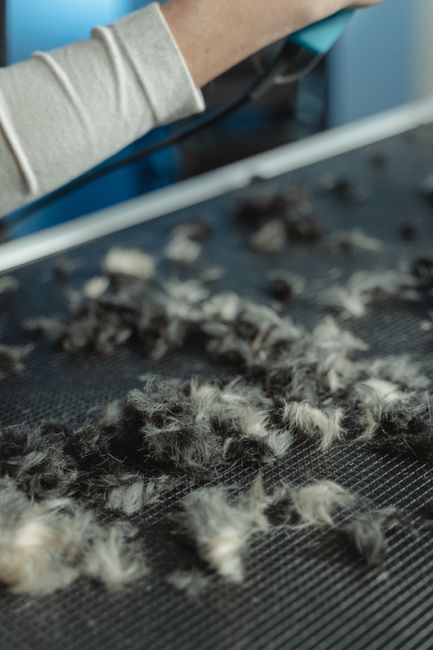
If you live with pets, you already know the truth: hair gets everywhere. On sofas, under skirting boards, in the corners of a carpeted staircase, and somehow on the one black jumper you just hung up. This Notting Hill mews flat: pet hair removal case study looks at what really works in a compact London home, where space is tight, fabrics are mixed, and good results depend on more than a quick vacuum.
In a mews flat, pet hair removal is not just about making the place look tidy. It is about improving comfort, reducing lingering dander, protecting upholstery, and keeping carpets fresher for longer. We will walk through the process, the common mistakes, the practical tools, and the best ways to decide whether to handle it yourself or bring in a specialist. And yes, there is a right order to do things. Skipping steps usually shows.
For readers who want a broader sense of related services, it can help to understand where pet-focused cleaning fits alongside carpet cleaning, upholstery cleaning, and pet stain and odour removal. These are often part of the same job, especially in a flat where one fabric surface leads neatly into another.
Table of Contents
- Why this case study matters
- How the pet hair removal process works
- Key benefits and practical advantages
- Who this is for and when it makes sense
- Step-by-step guidance
- Expert tips for better results
- Common mistakes to avoid
- Tools, resources and recommendations
- Law, compliance, standards, or best practice
- Options, methods, or comparison table
- Case study or real-world example
- Practical checklist
- Conclusion
- Frequently asked questions
Why Notting Hill mews flat: pet hair removal case study Matters
Notting Hill mews flats have a particular character. They are often stylish, often compact, and often full of mixed surfaces: fitted carpet in one room, a rug in another, fabric sofas, cushions, throws, maybe a stair runner, and the odd awkward alcove that catches every stray tuft of hair. That combination makes pet hair removal more technical than it first appears.
Why does that matter? Because hair is only the visible part of the problem. Pet dander, fine dust, and the residues that cling to fibres can all build up quietly. You may not notice it day to day, then suddenly the room looks dull and the air feels a bit heavy. To be fair, it is easy to underestimate until the sun comes through the sash windows and every tiny fibre seems to announce itself.
A good pet hair removal approach matters for three reasons. First, it improves day-to-day comfort. Second, it helps fabrics last longer by reducing abrasion from repeated DIY scrubbing. Third, it supports a better result when the property needs to be presented for guests, tenants, buyers, or simply your own peace of mind.
In London homes, especially older mews properties, there is also a practical issue of dust movement. Narrow layouts and staircases tend to funnel debris into edges and corners. If you have ever hoovered one room only to find the same tuft of fur sitting by the radiator ten minutes later, you will know the feeling.
A properly planned cleaning approach is not glamorous, but it is effective. And honestly, that is usually what people want most.
How Notting Hill mews flat: pet hair removal case study Works
The process starts with identifying where the hair has settled. In most flats, it is not evenly distributed. Hair collects in the places pets actually spend time: the sofa seat, the foot of the bed, the hallway runner, a favourite rug by the window, or the carpeted route from kitchen to living room.
The next step is choosing the right method for the material. This is where many people go wrong. A hard brush that works on a synthetic rug can be too aggressive for a delicate sofa fabric. A steam treatment may be helpful for some carpets, but not every textile likes heat and moisture in the same way. So the task is less about brute force and more about matching the method to the surface.
In a typical mews flat, the workflow often looks like this:
- Dry removal of loose hair from upholstery and carpet edges.
- Targeted vacuuming with a strong suction tool and the correct attachment.
- Mechanical lift of embedded fibres using a rubber or textile-safe tool.
- Spot treatment if there are pet stains or odours.
- Deep cleaning of carpets, rugs, or sofas where needed.
- Final inspection of corners, skirting edges, and under-furniture areas.
That final inspection is not a luxury. It is the bit that stops the job looking half-finished. You can clean the visible centre of a carpet beautifully and still leave a halo of hair at the edges. It happens all the time.
For homes with both carpets and fabric furniture, pairing the process with sofa cleaning or rug cleaning can make a surprisingly big difference. Hair trapped in one fabric tends to migrate to the next, like it is trying to cause trouble on purpose.
Key Benefits and Practical Advantages
There are obvious visual benefits, of course. A room looks cleaner when the surface hair is gone. But the real value goes beyond appearances. Here is what a well-managed pet hair removal process can do in a Notting Hill mews flat.
- Improves indoor presentation: Rooms look more cared for, especially in natural daylight.
- Reduces everyday irritation: Less visible hair means less friction when you sit, sleep, or brush past surfaces.
- Helps with odour control: Hair often holds onto fine residues, so removing it can support fresher fabrics.
- Protects carpets and upholstery: Less aggressive scrubbing means less wear on fibres over time.
- Makes deeper cleaning more effective: If hair is removed first, stain treatment and steam extraction can work more evenly.
- Supports move-out or sale preparation: A cleaner, tidier flat is easier to present confidently.
There is also a subtle but important advantage: the whole home feels easier to manage. That sounds vague, but it is not. Once the obvious hair is under control, routine vacuuming becomes quicker and less frustrating. Little win, but a real one.
In practice, many residents discover that the biggest benefit is not a dramatic before-and-after photo. It is that the sofa stops looking permanently furry no matter what they do. That is worth a lot, frankly.
Who This Is For and When It Makes Sense
This kind of cleaning is especially useful if you live in a flat with one or more pets, or if you are managing a property where animals have lived recently. It suits tenants, owners, landlords, and letting agents alike.
It makes sense when:
- pet hair is visible on carpets, sofas, curtains, or beds;
- vacuuming is not lifting embedded hair properly;
- there is a persistent pet smell that seems tied to fabrics;
- you are preparing for an inventory, viewing, or new move-in;
- allergy awareness is a concern in the household;
- the flat has a mix of delicate and hard-wearing materials that need careful handling.
It may also make sense after a period of heavier shedding. Spring and autumn can be awkward, especially in homes where pets spend more time indoors. One week everything seems fine, then the cushions start looking like they have grown a second coat. Not ideal.
If your home also needs wider fabric care, related services such as mattress cleaning and curtain cleaning can be sensible add-ons, particularly where hair and odour have spread beyond the main seating area.
Step-by-Step Guidance
If you want a practical route through the job, start here. This is the part most people can use straight away, even before deciding whether to call in help.
1. Identify the worst-affected zones
Walk the flat slowly and look at the places where pets sleep, jump, or rub against furniture. Check under cushions, along skirting boards, beside radiators, and under sofas. Hair usually hides in edges first. The centre of the room is often the least revealing area.
2. Remove loose debris before deep cleaning
Pick up toys, throws, pet bedding, and anything that blocks access. If you clean around clutter, you are just borrowing trouble. Removing the obvious items first makes the rest of the job less awkward and more thorough.
3. Use the right vacuum setup
A vacuum with strong suction and a motorised or upholstery attachment is usually the best starting point. Go slowly. Fast passes tend to skim the surface, which looks productive but misses embedded fur. A slower pass often gives better results, especially on textured carpet.
4. Lift stubborn hair mechanically
For fibres that cling tightly, use a textile-safe rubber brush, grooming glove, or similar tool. These tools help gather hair into manageable clumps. You may find the first pass looks dramatic, almost absurdly so. That is normal. The job often gets easier once the top layer is gone.
5. Treat stains or odours separately
Hair removal and stain removal are related, but they are not the same thing. If you see marks, use an appropriate stain treatment rather than scrubbing everything at once. Over-wetting can spread odour or push residue deeper into the pile. For more stubborn cases, a specialist approach to stain removal may be needed.
6. Deep clean where the fabric allows it
Some carpets and upholstery benefit from steam extraction or a controlled wet clean. Others do better with low-moisture methods. The right choice depends on fabric type, backing, and drying conditions. In a compact flat, drying time matters. No one wants a damp living room for half the evening.
7. Finish with edge work and an inspection
Check corners, skirting edges, under chair legs, and the undersides of cushions. This is where missed hair loves to hide. A final sweep with a lint roller or handheld tool can sharpen the result. It is a small step, but it makes the whole place look more deliberate.
Expert Tips for Better Results
A few practical habits make a big difference. They are not dramatic, just effective. And that is usually the best kind of cleaning advice.
- Work top to bottom: Start with upholstery and shelving, then move to floors. Otherwise you end up cleaning the same area twice.
- Vacuum in overlapping passes: This helps lift fibres from different angles.
- Use daylight if possible: Morning or late-afternoon light shows missed hair more clearly than overhead lighting. A bit unforgiving, yes, but useful.
- Don't oversaturate fabrics: Too much moisture can trap residue and slow drying.
- Separate hair removal from odour treatment: First remove the physical hair, then deal with any smell or stain issue.
- Protect high-traffic spots after cleaning: Throws, washable covers, or regular maintenance can extend the result.
In our experience, the best outcomes come from patience rather than force. Rushing a hairy sofa is a bit like trying to tidy a room by throwing everything into the wardrobe. You can guess how that ends.
One more thing: if your pet sheds heavily, build the job into your weekly rhythm. A ten-minute upkeep clean is far better than trying to rescue a whole flat every few months.
Common Mistakes to Avoid
Most poor results come from a handful of predictable mistakes. The good news? They are easy to avoid once you know them.
- Using the wrong attachment: A generic vacuum head often misses embedded hair.
- Scrubbing too hard: This can damage fibres and push dirt deeper.
- Skipping corners and edges: Hair collects there constantly.
- Cleaning over wet stains without addressing the source: That can lock in smells.
- Trying to do everything in one pass: Hair removal, odour control, and deep cleaning are related but distinct tasks.
- Ignoring fabric type: Wool, synthetic blends, velvet-like finishes, and loop pile all behave differently.
Another common error is assuming that a visibly clean surface means the job is finished. Not quite. The test is what you notice when you sit down, move a cushion, or look at the fabric from an angle. That is where the leftovers show up.
And honestly, pet hair has a talent for returning. It does not care that you have just cleaned the room.
Tools, Resources and Recommendations
You do not need a huge kit to make progress, but the right tools save time and reduce frustration. For a compact London flat, a simple, organised set-up often works better than an oversized collection of gadgets.
| Tool or method | Best use | Notes |
|---|---|---|
| Vacuum with upholstery attachment | Floors, sofas, stairs, edges | Best first step for loose and semi-embedded hair |
| Rubber pet hair brush | Fabric surfaces, rugs, cushions | Helpful for clinging fibres and finishing passes |
| Lint roller | Quick touch-ups on cushions, throws, clothing | Useful, but not a full solution |
| Microfibre cloth | Hard surfaces around fabric areas | Helps gather dust that hair can cling to |
| Steam or low-moisture cleaning method | Suitable carpets and upholstery | Only where the fabric and drying time make sense |
For a property with more than one fabric surface, pairing the main clean with steam carpet cleaning or curtain cleaning can help deliver a more complete result. If the flat has a particularly busy sitting room, sofa cleaning may be the highest-impact upgrade of all.
For those comparing services, the site's pricing and quotes page is a sensible place to start. Clear pricing matters because pet-related work can vary depending on fabric condition, room size, and how much hair has built up. No one enjoys vague numbers, let's face it.
Law, Compliance, Standards, or Best Practice
For this topic, the main compliance considerations are practical rather than highly regulated. That said, best practice still matters. In rented properties, cleaning expectations may be shaped by tenancy agreements, inventory records, and the condition the property is expected to be returned in. If a pet has lived in the flat, the most sensible approach is to document the condition carefully and clean in a way that avoids unnecessary damage.
For service providers, safe handling, sensible product use, and clear communication are all part of good practice. Clients should be told if a fabric may react badly to moisture, heat, or aggressive brushing. That kind of caution is not overcautious at all; it is professional.
Health and safety also matters in a home setting. Wet floors, plugged-in equipment, cables across narrow hallways, and moving furniture in a tight mews stairwell all need care. If you are hiring someone to do the job, a clear health and safety policy and appropriate insurance and safety information are worth checking. That is basic due diligence, not overkill.
There is also a wider professionalism point. If you are arranging work for a landlord, tenant turnover, or managed property, a transparent approach to terms and conditions, payment and security, and dispute handling through a complaints procedure helps keep everything straightforward. Clean results are important, but trust is part of the service too.
Options, Methods, or Comparison Table
Different cleaning methods suit different situations. In a Notting Hill mews flat, the right choice depends on the fabric, the level of pet hair, and how quickly you need the room back in use.
| Method | Best for | Pros | Limitations |
|---|---|---|---|
| Vacuuming only | Light surface hair | Fast, simple, low disruption | Struggles with embedded fibres |
| Vacuum plus manual lifting | Medium build-up | Better hair removal without much moisture | Takes longer and needs patience |
| Spot treatment | Hair with visible stains | Targets problem areas | Not enough on its own for whole rooms |
| Deep upholstery or carpet cleaning | Heavy build-up, odour, broader soiling | More thorough and longer-lasting result | Needs suitable fabric and drying time |
If you are comparing approaches, the honest answer is that many homes need a combination. A quick pass can tidy the surface, but a deeper method is often what makes the room feel properly reset. The best outcome is usually layered, not one single dramatic fix.
Case Study or Real-World Example
Here is a realistic example based on the sort of issue that comes up in a mews flat. A compact two-level property in Notting Hill had a short-pile living room carpet, a fabric sofa, and a runner on the stairs. The residents had a medium-haired pet that shed steadily rather than all at once. No disaster, just constant accumulation.
At first glance, the flat looked tidy. But on closer inspection, the sofa arms had a fine halo of hair, the carpet edges were duller than the centre, and the stairs held fur in the corners where the vacuum head could not easily reach. The main complaint was not mess, exactly. It was the sense that the flat never felt fully clean.
The solution was straightforward but methodical. Loose hair was lifted from the sofa and carpet edges first. Then the carpet and upholstery were vacuumed slowly with suitable attachments. Problem areas were treated separately, and the runner was given extra attention because it had gathered the most visible fibres. A final check under cushions and along the skirting line picked up the last of the strays. Nothing dramatic. Just a careful job.
The result was not only a cleaner look. The living room felt lighter, more breathable, and much easier to maintain. The residents later found that weekly upkeep was quicker because the baseline hair level had been brought down. That is the bit people often miss. Good cleaning should make future cleaning easier.
If the flat had also shown signs of odour or staining, the next step would likely have been a combined fabric treatment, possibly involving pet stain odour removal or a broader upholstery cleaning appointment. Different homes need different levels of intervention. Simple enough, but worth saying.
Practical Checklist
Use this checklist before, during, or after tackling pet hair in a mews flat. It keeps the job focused.
- Identify the highest-shed zones first.
- Move cushions, throws, and portable pet items out of the way.
- Vacuum slowly with the correct attachment.
- Lift stubborn hair from fabric using a safe manual tool.
- Check corners, skirting edges, and under furniture.
- Treat stains separately from hair removal.
- Allow enough drying time if moisture is used.
- Inspect upholstery and rugs in daylight where possible.
- Repeat a light maintenance clean each week.
- Escalate to deeper cleaning if hair keeps returning quickly.
Expert summary: the best pet hair removal results come from combining the right tools, careful technique, and a realistic maintenance routine. In a Notting Hill mews flat, that usually means paying extra attention to edges, soft furnishings, and the places pets actually live in the home, not just the obvious centre of the room.
Conclusion
Pet hair removal in a Notting Hill mews flat is really a story about detail. The flats are charming, but they can be unforgiving when hair settles into layered fabrics and tight corners. A quick vacuum may improve things, but a proper case-study approach shows why surface cleaning, targeted lifting, stain treatment, and careful finishing all matter.
If you want the clean to last, think in systems rather than one-off effort. Match the method to the material. Work from the edges in. Keep an eye on odour as well as hair. And if the job feels bigger than a quick tidy, that is usually because it is. No shame in that.
For a home that feels genuinely fresher, the best next step is often to compare the options, inspect the main problem areas, and decide whether a deeper professional clean would save time and stress in the long run. A good result should feel calmer, not complicated.
Get a free quote today and see how much you can save.
Frequently Asked Questions
How often should pet hair be removed from a mews flat?
For most homes with pets, a light weekly maintenance clean is sensible, with deeper cleaning every so often depending on shedding and fabric use. If the flat is small, hair build-up can appear faster than you expect.
Does vacuuming alone remove pet hair properly?
Sometimes, but not always. Vacuuming is the starting point, not the whole answer. Embedded fibres, corners, and upholstery often need manual lifting or a deeper clean as well.
What fabrics trap pet hair the most?
Textured upholstery, loop pile carpets, deep-pile rugs, and some woven throws tend to hold hair more stubbornly. Smooth fabrics are usually easier, though they can still show fine residue.
Is steam cleaning safe for pet hair removal?
It can be, but only where the fabric and backing are suitable. Heat and moisture are helpful for some surfaces and risky for others. Testing and fabric awareness matter more than the method itself.
Can pet hair cause odour problems?
Yes, it can contribute to lingering smells, especially when combined with dander or other residues. Removing the hair helps, but odour may also need separate treatment.
How do I remove pet hair from a sofa without damaging it?
Use a vacuum upholstery attachment first, then a soft rubber or textile-safe brush for stubborn fibres. Avoid aggressive scrubbing, which can roughen the fabric or push hair deeper in.
What should I do before a professional pet hair clean?
Clear the room as much as possible, remove pet bedding and loose items, and point out any problem areas such as stains, odour spots, or delicate fabrics. That helps the cleaner work more efficiently.
Is pet hair removal useful for people with allergies?
It can be helpful, because it reduces visible hair and some of the residue that clings to fabrics. That said, allergy needs vary, and no cleaning method should be treated as a guaranteed fix.
How long does a deep pet hair clean take?
It depends on room size, fabric condition, and how much hair has built up. A compact flat may be manageable fairly quickly, but detailed upholstery and edge work always adds time.
What is the biggest mistake people make with pet hair?
The most common mistake is moving too fast and only cleaning the visible centre of the room. Hair tends to gather in edges, seams, and under furniture, so a rushed approach often leaves the job half done.
Should I clean pet hair before stain treatment?
Yes, in most cases. Removing the loose hair first makes stain treatment more effective and reduces the chance of spreading residue around the fabric.
Where can I learn more about related cleaning services?
If you are comparing broader options, look at the site's pages on carpet, upholstery, sofa, rug, and stain services. They often work together in real homes, especially in compact London properties where one issue leads to another.