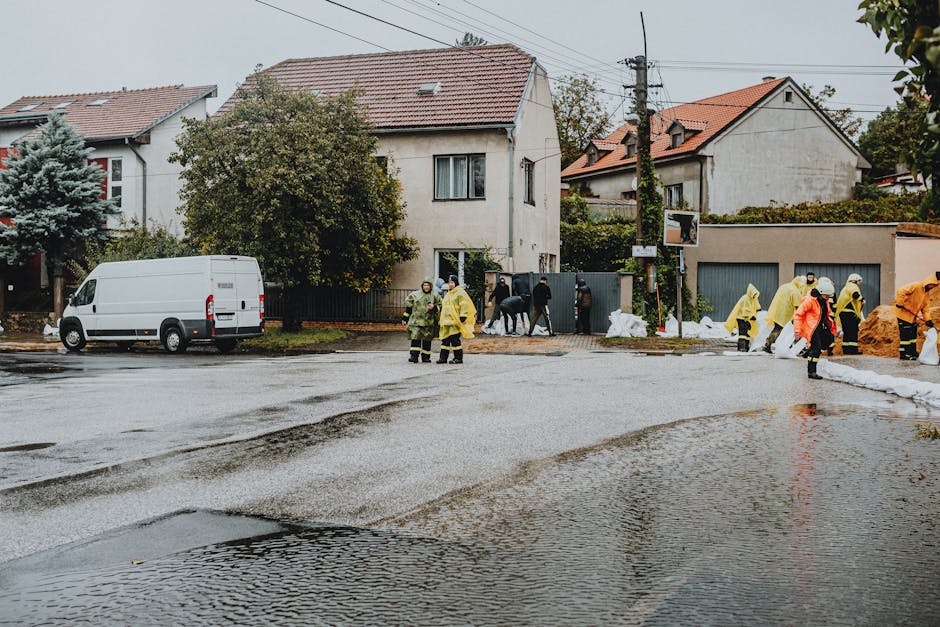
Emergency flood response for Notting Hill homes - 24hr
If water is pouring into your home at 2am, the last thing you need is a vague checklist or a slow reply. You need clear steps, fast decisions, and a local emergency flood response for Notting Hill homes - 24hr that helps you get the situation under control before the damage spreads. In a place like Notting Hill, where properties range from elegant period flats to busy converted houses and lower-ground homes, flooding can move quickly through floors, walls, carpets, and furnishings. Time really matters.
This guide explains what a proper emergency flood response looks like, how it works, who it helps, and what to do in the first critical minutes. It also covers practical mistakes to avoid, useful tools, and the standards and best-practice points that matter in the UK. If you are dealing with a burst pipe, stormwater, a leaking appliance, or a neighbour's overflow, this article will help you think clearly. Lets face it, in a flood you do not need drama. You need a plan.
Along the way, you will also find relevant local resources such as the full services overview, guidance on insurance and safety, and useful background from about the company. Those pages can help if you are comparing providers or want a clearer sense of what to expect from a professional team.
Table of Contents
- Why Emergency flood response for Notting Hill homes - 24hr Matters
- How Emergency flood response for Notting Hill homes - 24hr Works
- Key Benefits and Practical Advantages
- Who This Is For and When It Makes Sense
- Step-by-Step Guidance
- Expert Tips for Better Results
- Common Mistakes to Avoid
- Tools, Resources and Recommendations
- Law, Compliance, Standards, or Best Practice
- Options, Methods, or Comparison Table
- Case Study or Real-World Example
- Practical Checklist
- Conclusion
- Frequently Asked Questions
Why Emergency flood response for Notting Hill homes - 24hr Matters
Flooding is not just about visible water on the floor. It is about what starts happening behind skirting boards, under floorboards, inside plaster, and inside the things you cannot see. A carpet may look damp at first, then feel worse an hour later, and by morning the smell can turn earthy and sour. That is usually when the real damage starts to show.
Notting Hill homes have their own quirks. Many have timber floors, decorative finishes, basements, or older pipework. Some are busy family homes, some are rental properties, and some are commercial-residential hybrids where the water can affect more than one occupancy. A 24-hour flood response matters because water does not wait for office hours, and neither should the cleanup plan.
In practical terms, the goal is to reduce secondary damage. That means preventing swelling, mould growth, electrical risk, staining, lifting of adhesive, and odour that settles into soft furnishings. A quick response can be the difference between a targeted dry-out and a much larger repair job later. That is the bit people often underestimate.
If you are dealing with a broader property issue in the area, the local blog archive can also be useful. For example, the house hunting in Notting Hill guide and the post on property investment strategies in Notting Hill both show how property condition and upkeep can affect long-term value. Flood response sits right in that same conversation: protect the fabric of the property now, avoid bigger problems later.
How Emergency flood response for Notting Hill homes - 24hr Works
A proper emergency flood response is usually a fast sequence of assessment, safety checks, water removal, moisture control, and drying. It is not just a mop-and-bucket job, despite what some people think in the first 10 panicked minutes. In reality, the response should be calm, methodical, and based on the source and severity of the water.
First comes triage. Is the water clean, grey, or contaminated? Is it coming from a burst mains pipe, a washing machine, a rainwater ingress issue, or a backed-up drain? The answer affects what can be salvaged and what needs specialist handling. Clean water is one thing. Wastewater is another entirely, and the distinction matters for hygiene and safety.
Then comes containment. That can include isolating electrics where safe to do so, stopping the source of the leak, moving items away from the wettest area, and protecting undamaged rooms. After that, professionals typically remove standing water, extract moisture from carpets or upholstery where possible, and set up drying equipment such as dehumidifiers and air movers. Some rooms dry surprisingly fast; others, especially lower-ground spaces, can be stubborn.
Finally, the response should include inspection and follow-up. That means checking hidden damp, lifting edges if needed, watching for signs of lingering moisture, and deciding whether cleaning, sanitising, deodorising, or repair work is necessary. If you want a broader sense of the company's service range, the carpet cleaning in Notting Hill page and upholstery cleaning service are helpful references for what can often be rescued after a flood, rather than replaced.
Key Benefits and Practical Advantages
The biggest benefit of a 24-hour flood response is speed, but speed alone is not the whole story. You want speed with judgement. That is what separates a useful emergency visit from a rushed one.
- Less structural damage: Fast water removal helps protect floors, plaster, joinery, and underlay.
- Lower mould risk: Drying the property quickly reduces the chance of microbial growth in hidden spaces.
- Better salvage rates: Furniture, rugs, carpet, and soft furnishings may be recoverable if acted on early.
- Safer home environment: Standing water near electrics, sockets, or appliances is a serious hazard.
- Less disruption: A structured response gets your home back into usable shape sooner.
There is also a quieter benefit: peace of mind. When someone arrives, assesses the scene, and explains what is happening in plain English, the panic drops a little. You can think again. Truth be told, that matters a lot when you are standing in socks on a cold kitchen floor at midnight.
For households with valuable rugs or mixed flooring, specialist aftercare can make a real difference. A flood event is not the time to guess. The wrong cleaning method can lock in stains or push contamination deeper. If your home includes handwoven rugs or premium carpets, the article on rug care near Portobello Road offers a useful local angle on handling delicate floor coverings carefully after water exposure.
Who This Is For and When It Makes Sense
This kind of emergency support is for anyone whose home has been affected by unexpected flooding or major water ingress. That includes homeowners, tenants, landlords, letting agents, and property managers. It also includes people who are not totally sure whether the issue counts as an emergency yet. If water is spreading, smells unusual, or is reaching a wall, socket, or underfloor area, it probably is.
Common Notting Hill scenarios include:
- a burst pipe in a flat or townhouse
- overflow from a bath, toilet, or appliance
- rainwater entering through a roof, sash window, or basement lightwell
- drain backflow after heavy weather
- slow leaks that suddenly become obvious because the ceiling stains widen
It also makes sense for commercial or mixed-use properties where business activity cannot pause for long. A wet shopfront, office, or shared hallway can affect access, trading, and safety very quickly. For that reason, the same emergency thinking often overlaps with broader support like office cleaning in Notting Hill and domestic cleaning services, especially when the property needs a hygienic reset after the immediate water issue is controlled.
If you rent, tell the landlord or managing agent as soon as possible. If you own the property, document what happened. Photos, timestamps, and short notes can be helpful for insurance and for the contractor who arrives. Small detail, big help.
Step-by-Step Guidance
When flooding happens, the best response is simple in principle, but the details matter. Here is a practical sequence that works in real homes.
- Make the area safe. If water is close to sockets, appliances, or light fittings, stay clear. Do not step into deep water if you are unsure what is submerged.
- Stop the source if you can do so safely. Turn off the main water supply if the issue is a burst pipe. If the source is external, focus on limiting spread rather than improvising a repair.
- Switch off electrics where appropriate. If the consumer unit is affected or you are unsure, wait for a qualified person or emergency guidance. Safety first, always.
- Move valuables and soft furnishings. Rugs, cushions, books, documents, and small furniture should be lifted away from standing water.
- Take photos before too much is moved. This helps with insurance evidence. A few quick images can save a lot of admin later.
- Call a 24-hour flood response service. Explain the source, room type, likely contamination, and whether the water is rising or stabilising.
- Begin drying and extraction. Professional equipment is usually more effective than household fans. In some cases, targeted carpet and upholstery work can prevent unnecessary replacement.
- Keep checking for hidden moisture. Behind furniture, under edges, near skirting, and in adjoining rooms are easy places to miss.
- Plan follow-up cleaning or repair. Some properties need sanitising, some need odour treatment, and some need remedial work before full reoccupation.
If you are looking for a fuller view of what happens after the initial emergency phase, the company's house cleaning in Notting Hill page is a sensible next step for understanding how a property can be restored to a livable condition after the water has been removed.
Expert Tips for Better Results
Flood response gets a lot easier when you avoid the common "we'll just see what happens" approach. In our experience, the homes that recover best are the ones where people act early and keep a cool head.
Prioritise source control over clean-up. Mopping the floor while the leak continues is a bit like bailing a boat with the tap still open. Stop the ingress first.
Use targeted drying, not just warm air. Heat on its own can make some materials feel dry while moisture remains trapped underneath. Dehumidification and airflow together usually do a better job.
Think in layers. Carpet pile, underlay, subfloor, plaster, and contents all behave differently. Water may leave one layer quickly and linger in another.
Keep windows and doors in mind, but do not overdo ventilation if it worsens conditions. On a damp London evening, opening everything wide may not help if the air itself is humid. A good technician will judge that balance.
Be realistic about what can be saved. Some items recover beautifully. Others, especially porous items contaminated by dirty water, may need disposal. That is hard to hear, but better than pretending everything can be rescued.
Do not forget smell. Odour is often the first sign that moisture is still hiding somewhere. If a room smells stale by the next day, there may still be work to do.
If you have expensive rugs or sentimental floor coverings, it can help to ask specifically about specialist handling. A quick, thoughtful response is usually better than a generic clean. Not everything needs replacing. Thankfully.
Common Mistakes to Avoid
A lot of flood damage gets worse not because the water was extreme, but because the first reaction was a bit off. That happens. People are stressed, tired, and trying to protect the home in a hurry.
- Waiting until morning: Even a few hours can make a real difference to drying and mould risk.
- Walking through contaminated water: If sewage or drain water is involved, treat it seriously and avoid contact.
- Using household heaters too aggressively: Heat without proper moisture removal can trap damp in materials.
- Closing up a wet room completely: Sealing in moisture can make the problem harder to fix.
- Assuming carpets must be replaced immediately: Some can be professionally cleaned and restored if dealt with quickly.
- Ignoring adjoining rooms: Water often travels under thresholds and into hidden spaces.
One subtle mistake is trying to dry everything yourself while delaying a professional assessment. You might improve the surface but miss the moisture underneath. That is where trouble lingers. A small example: a hallway may feel fine underfoot, yet the subfloor a metre away is still damp enough to cause problems a week later. Sneaky, really.
Tools, Resources and Recommendations
Not every homeowner owns flood kit, and that is understandable. Still, a few simple tools and contacts can make a huge difference when things go wrong.
- Basic wet/dry vacuum: Useful for small spills, though not a substitute for proper extraction.
- Bucket, towels, and mops: Fine for containment in the first few minutes.
- Dehumidifier: Helpful for controlled drying once the standing water is removed.
- Portable fan: Can support air movement, especially in one room or hallway.
- Camera or phone: Essential for documenting damage.
- Contact list: Emergency plumber, insurer, landlord or managing agent, and a trusted flood response provider.
It is also worth keeping a record of policy details, emergency numbers, and room inventories somewhere accessible. Not glamorous, admittedly, but it saves time when every minute feels expensive.
For company and service reassurance, you can review operational pages such as payment and security, pricing and quotes, and terms and conditions. If you are comparing options after a flood, those pages help set expectations before anyone steps through the door.
Law, Compliance, Standards, or Best Practice
Flood response is not just a practical matter; it also touches safety, hygiene, and insurance responsibilities. In the UK, the most important principle is to act reasonably and safely, and to avoid exposing occupants, neighbours, or contractors to unnecessary risk.
That usually means:
- treating electrical risks seriously and not entering unsafe areas
- taking contaminated water seriously, especially where drains or sewage may be involved
- documenting the incident for insurance or landlord records
- using competent people for specialised drying, cleaning, or remedial work
Best practice also means clear communication. A provider should explain what is happening, what the likely next steps are, and whether any materials should be quarantined or removed. If a company seems casual about potential contamination, that is not reassuring. You want caution where caution is due.
For household and workplace environments alike, the wider trust pages on health and safety and complaints procedure are useful signals that a provider has formal processes rather than just good intentions. In this sort of job, that matters more than fancy language.
Options, Methods, or Comparison Table
Not every flood needs the same level of intervention. A small clean-water leak in a hallway is not the same as a contaminated basement flood. Here is a simple comparison to help you think it through.
| Response option | Best for | Strengths | Limitations |
|---|---|---|---|
| DIY containment | Very small, clean spills | Immediate, low-cost, quick for surface water | Easy to miss hidden moisture and subfloor damp |
| Emergency extraction and drying | Most domestic flood incidents | Fast water removal, controlled drying, better salvage | Needs specialist equipment and judgement |
| Deep clean and sanitise | Grey water or mild contamination | Helps restore hygiene and reduce odour | Not enough if hidden moisture remains |
| Remedial repair and restoration | Structural impact, warped materials, persistent damp | Addresses underlying damage | Usually more time-consuming and costly |
The best option is not always the most dramatic one. Often it is a layered response: remove water, dry correctly, inspect thoroughly, then decide what needs cleaning or repair. That sequence is simple, but it works.
Case Study or Real-World Example
Picture a lower-ground flat near the Westbourne Grove area after a heavy overnight downpour. By early morning, the resident notices a damp smell in the hallway and sees a shallow pool forming near a cupboard. The leak is not huge, but water has already moved under a rug and toward the skirting board. A bit annoying, yes. Also potentially serious.
The first response is to keep clear of electrical points, move the rug, and photograph the affected areas. The source turns out to be water ingress at an external point, made worse by a blocked drain line. A 24-hour flood response team arrives, removes standing water, checks the carpet backing, and starts controlled drying. The rug is lifted for separate treatment rather than left on the floor to trap moisture. The room is monitored over the next day rather than assumed dry just because the surface no longer feels wet.
That kind of outcome is common when the response is quick and measured. It is not glamorous, and there is no magic trick. But the difference between a dry-out and a full replacement can be quite plain by the second or third day. If you have ever walked into a room and caught that unmistakable damp, slightly metallic smell, you will know exactly what I mean.
For residents who want local context, the article on Notting Hill resident experiences offers a broader view of everyday property life in the area, while Notting Hill's quieter side gives a nice sense of the neighbourhood character people are trying to protect when emergencies happen at home.
Practical Checklist
Use this checklist if flooding has just happened or if you are preparing for a fast response. Keep it simple. Keep it moving.
- Identify the source of the water, if safe to do so
- Turn off the supply or isolate the affected area where appropriate
- Avoid contact with contaminated water
- Switch off affected electrics only if it is safe
- Move furniture, rugs, and valuables out of the wet area
- Take photos and short notes for insurance records
- Call a 24-hour flood response service
- Ask whether drying, sanitising, and deodorising are needed
- Check nearby rooms, cupboards, and hallways for hidden damp
- Follow up until the property is fully dry and safe
Expert summary: The fastest fix is not always the best fix. The best flood response is the one that stops the water, protects the structure, preserves salvageable items, and checks what you cannot see.
Get a free quote today and see how much you can save.
Conclusion
Emergency flood response for Notting Hill homes - 24hr is really about protecting what matters before water has time to do its worst. A calm, well-planned response can save flooring, furnishings, and a lot of stress. It can also help you avoid the kind of hidden damp that causes trouble long after the first puddle is gone.
If you are comparing providers, focus on clarity, speed, and practical know-how. Ask what happens first, how drying is managed, how contamination is handled, and how follow-up is arranged. The right team should make the process feel manageable, not more confusing than it already is. That alone is worth a great deal at 3am.
And if your home is already affected, do not wait for the problem to "settle down" on its own. Water usually gets cleverer, not kinder. A fast, sensible response gives you the best shot at keeping the damage contained and getting life back to normal sooner.
Sometimes the best outcome is simply this: the room dries, the smell fades, and the house feels like yours again.
Frequently Asked Questions
How fast should I call for emergency flood help in Notting Hill?
As soon as you know the water is spreading, reaching electrics, or coming from a source you cannot stop safely. In flood situations, earlier is almost always better.
Can wet carpets in a flooded home be saved?
Often, yes, if they are dealt with quickly and the water is clean enough to allow restoration. The underlay, subfloor, and level of contamination all affect the decision.
What should I do first if my flat starts flooding at night?
Make the area safe, stop the source if possible, stay away from electrics, and call for 24-hour help. Then photograph the damage once things are under control.
Is flood water always a cleaning job, or does it need more than that?
It often needs more than cleaning. Drying, moisture monitoring, sanitising, and sometimes repair work are all part of a proper response.
Do I need a professional if the floor just feels damp?
If the damp came from a real leak or flood, it is worth getting an assessment. Surface dryness can be misleading, especially in older properties or lower-ground rooms.
How do I know if the water is contaminated?
If it came from a toilet, drain, external overflow, or backed-up system, treat it as potentially contaminated. When in doubt, be cautious and avoid direct contact.
Will a 24-hour flood response team work on weekends and bank holidays?
A proper emergency service should be available outside normal business hours. That is the whole point of 24-hour cover.
Can flood response help with smell as well as water?
Yes. Odour treatment is often part of the process, especially if moisture has lingered in carpet, underlay, upholstery, or hidden areas.
What documents should I keep for insurance?
Keep photos, timestamps, notes about the source, messages to your landlord or agent, and any reports or invoices from the emergency work. It makes claims much easier to explain.
How do I choose the right company for flood response in Notting Hill?
Look for clear safety guidance, fast response, practical drying methods, transparent pricing information, and relevant service pages. The company should sound organised, not vague. If you want to explore more of the website before deciding, the blog archive is a useful place to learn more about local property care.
Can I stay in the property while flood drying is happening?
Sometimes yes, sometimes no. It depends on the extent of the damage, the source of the water, and whether equipment or contamination makes the space unsuitable. A professional should advise you clearly.
What if the flood affected more than one room?
That usually means the water has travelled through hidden paths, so a wider inspection is needed. Hallways, cupboards, and adjoining walls should all be checked, not just the visibly wet room.
For service details, house-specific support, and practical next steps, you can also review the company's end of tenancy cleaning in Notting Hill page if the flood has affected a rental turnover, or the privacy policy and accessibility statement if you want to understand the website and customer journey more fully.
A flooded home can feel overwhelming at first, but it rarely has to stay that way. One careful step, then the next, and the place starts coming back to itself.