Bulky carpet removal: avoid fly-tipping in Notting Hill
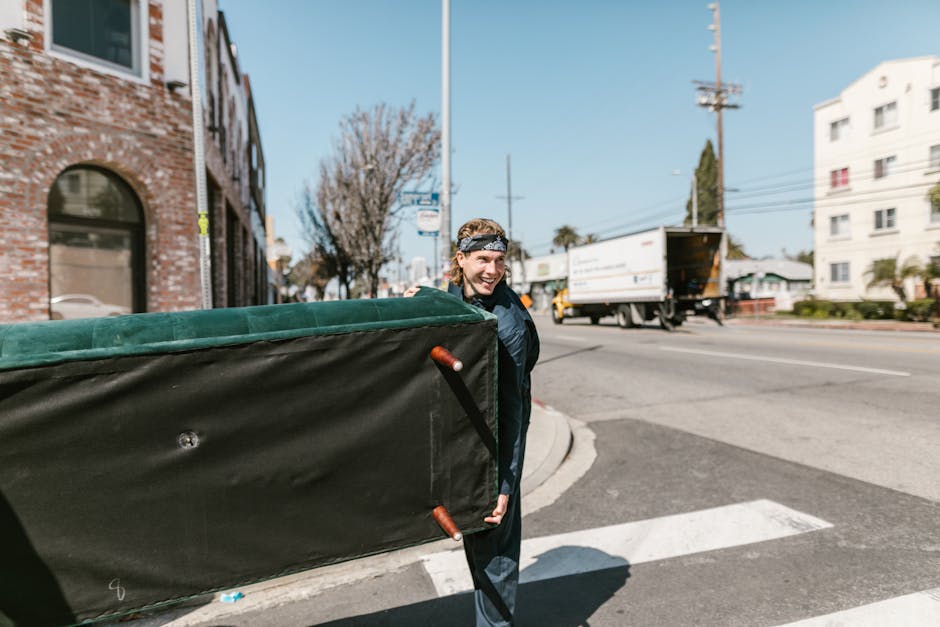
If you have an old rolled-up carpet leaning against the wall, you already know it is not a small nuisance. Bulky carpet removal in Notting Hill can turn into a real headache fast: awkward stairs, tight hallways, resident parking pressure, and the temptation to "just leave it for later." That is exactly how fly-tipping happens. This guide shows you how to get bulky carpet waste out safely, legally, and without creating a mess on the street, in the mews, or outside the bin store.
Whether you are replacing one room's flooring or clearing several worn carpets after a renovation, the sensible route is the one that protects your time, your neighbours, and the local environment. Let's face it, nobody wants to be the person whose old underlay ends up on the pavement at dawn. Below you will find a practical, no-nonsense breakdown of how to handle carpet disposal properly in Notting Hill, what mistakes to avoid, and how to choose a clean, compliant solution.
Why bulky carpet removal matters in Notting Hill
Carpet waste is bulky, heavy, and awkward to handle. In a neighbourhood like Notting Hill, that matters more than people sometimes realise. Streets can be busy, access can be tight, and shared entrances mean one careless move can leave fibres, dust, and old adhesive mess for everyone else to deal with. When carpet waste is dumped illegally, it is not just untidy; it creates costs, stress, and avoidable clean-up for the whole area.
Fly-tipping often starts with a shortcut. Someone renovates a flat, cuts corners on disposal, and leaves carpet rolls near a wall, a skip that is already full, or a corner of communal land. A few hours later, the problem is worse. Rain soaks it, passers-by notice it, and what looked like a temporary stop becomes an illegal dump. That is why a proper plan matters before the first strip of carpet is even lifted.
There is also a practical angle. Old carpets can carry dust, grit, pet hair, residue, and odour. If you have lived with a hallway carpet for years, you will know the smell that comes out when it is pulled up on a humid day. Not exactly pleasant. Safe removal keeps that mess controlled, rather than spreading it across the staircase or into the lift lobby.
For many households and landlords, the real value is peace of mind. You know where the waste is going, who is handling it, and that you are not creating a nuisance for the street or building. If you are already planning broader soft furnishing care, it can also be sensible to look at services like carpet cleaning or upholstery cleaning before deciding what can be saved and what genuinely needs to go.
Key takeaway: the safest carpet removal plan is the one that avoids last-minute dumping, protects shared spaces, and gets the waste to the right place without drama.
Table of Contents
- Why bulky carpet removal matters in Notting Hill
- How bulky carpet removal works
- Key benefits and practical advantages
- Who this is for and when it makes sense
- Step-by-step guidance
- Expert tips for better results
- Common mistakes to avoid
- Tools, resources and recommendations
- Law, compliance and best practice
- Options, methods, or comparison table
- Case study or real-world example
- Practical checklist
- Conclusion
- Frequently Asked Questions
How bulky carpet removal works
The process is simpler than most people expect, but there are a few steps worth doing properly. In plain English, bulky carpet removal usually means stripping, rolling, securing, carrying, loading, and disposing of old carpet materials in a controlled way. That may sound basic. It is. But the difference between a smooth job and a messy one is in the preparation.
1. Assess what needs to be removed
Start with the floor surface. Is it wall-to-wall carpet, fitted under furniture, glued down, or loose-laid over underlay? Are you dealing with one room or several? If a carpet is heavily worn or contaminated by water damage, stains, or pet odours, the decision may be straightforward. If not, it is worth considering whether deep cleaning first could extend its life. A quick check with a specialist steam carpet cleaning service can sometimes save you from removing something that still has a few good years left in it.
2. Measure the access route
Notting Hill homes vary a lot. One flat might have a narrow staircase and awkward turns; another may have lift access but a small entrance foyer. Check door widths, stair corners, and where you can stage the rolled carpet without blocking fire exits or neighbours' access. If you have ever tried to twist a damp carpet roll around a tight landing, you know it is one of those tasks that looks easy until it isn't.
3. Cut, roll, and secure the waste
Carpet is far easier to move in manageable lengths. Cut it into strips, roll it tightly, and secure each roll with tape or strong ties. This reduces dust, stops edges catching on banisters, and makes loading much safer. Underlay should be bundled separately where possible, because it tends to be dirtier and more awkward to handle. If there is a lot of dust or loose grit, a quick vacuum of the exposed floor before removal can make a surprising difference.
4. Separate additional waste streams
Carpets are not always just carpet. There may be underlay, gripper rods, nails, staples, adhesive residue, and offcuts from the room edges. Sorting these as you go helps prevent later confusion and keeps the disposal route more organised. If you are also discarding worn rugs, damaged cushions, or soiled upholstery at the same time, it is better to keep each waste type identified rather than blending everything into one oversized pile. The job becomes cleaner and less chaotic.
5. Transport and dispose responsibly
Once the material is ready, it should be taken to an authorised waste route or collected by a compliant provider. The goal is simple: do not abandon it in a communal area, beside a skip, or on a residential street while waiting for "the right moment." That moment tends to disappear. A proper collection or pre-booked disposal plan prevents the carpet from becoming fly-tipping fodder overnight.
If you are working with a provider, make sure the job is described clearly and the scope is understood in advance. For example, one flat may need only one room cleared; another may include hallway runners, stair carpets, and old underlay. Clear expectations help avoid rushed work and awkward surprises.
Key benefits and practical advantages
Done well, bulky carpet removal gives you more than an empty floor. It creates order. And in a dense part of London, order matters.
- Less risk of fly-tipping: when the removal is scheduled and contained, there is no need to leave carpet rolls in a public or shared area.
- Cleaner communal spaces: stairwells, front steps, and bin stores stay free of stray fibres, dust, and adhesive debris.
- Faster room turnaround: if you are redecorating, moving out, or preparing a property for sale or letting, proper removal keeps the project moving.
- Better safety: rolled and secured carpet is much safer to carry than loose, floppy strips that trip people up.
- More responsible disposal: materials are less likely to end up dumped, damaged, or mixed with general rubbish in a way that creates problems later.
- Clearer decisions: once the old floor covering is out, you can assess whether you need replacement, further cleaning, or other finishing work.
There is also a hidden benefit: calm. Truth be told, a lot of removal stress comes from not knowing what to do with the waste once it is out of the room. A simple plan removes that pressure. You can focus on the next stage rather than staring at a rolled-up carpet in the hallway wondering who is going to deal with it.
If the property also needs broader soft furnishings refreshed, pairing removal with rug cleaning, sofa cleaning, or curtain cleaning can help the whole space feel reset in one go.
Who this is for and when it makes sense
This kind of service is not only for landlords or large renovation projects. In reality, a wide mix of people need it, often for very ordinary reasons.
- Homeowners replacing tired carpets in a flat, maisonette, or terrace.
- Renters moving out and trying to leave the property in clean condition.
- Landlords and letting agents dealing with end-of-tenancy refreshes and fast turnarounds.
- Property managers handling communal buildings, rental flats, or small HMOs.
- Commercial premises clearing old floor coverings during refurbishments or fit-outs.
- Anyone with damaged carpets after leaks, stubborn staining, or severe wear.
It makes sense when the carpet is beyond a practical clean, or when the waste is simply too bulky for standard household disposal. If the room is still usable and the carpet is only marked, a stain-focused approach may be better first. That is where stain removal or a targeted pet stain odour removal treatment can sometimes buy you time.
A good rule of thumb: if the carpet is structurally worn, smells persistent, or has lifted backing, removal is usually the honest option. If it is mainly looking dull, matted, or marked, cleaning may still be worth trying. No need to throw away something salvageable just because it looks a bit sad on a grey Monday morning.
Step-by-step guidance
Here is a practical sequence you can follow. Keep it simple and the job becomes a lot less annoying.
- Clear the room fully. Move furniture, breakables, and anything stored on the floor. If the room has heavy items that cannot be shifted easily, plan around them rather than forcing a dangerous lift.
- Inspect the carpet and underlay. Look for damp patches, mould, stuck adhesive, nails, or damaged flooring underneath. This is your chance to notice issues before they become hidden problems.
- Prepare protective gear. Gloves, sturdy footwear, and a dust mask can be sensible if the carpet is old or dusty. Nothing fancy. Just common-sense protection.
- Cut into workable sections. Smaller strips are easier to control on stairs and through tight corners.
- Roll and secure each section. Tape or tie the rolls so they stay compact during transport.
- Bag loose debris separately. Old staples, trim, grit, and underlay crumbs should not be left loose in the passageway.
- Plan the exit route. Take the shortest safe route out of the property and avoid blocking neighbours or shared access points.
- Load immediately or schedule collection. Do not leave material staged on the street or by the bins while you "sort the rest out later." That is the danger zone for fly-tipping.
- Check the area afterwards. Vacuum the exposed floor and look for nails or residue. A tidy finish matters, especially in a shared building.
If the flooring underneath needs preparation before cleaning or further use, a follow-up with clear health and safety practices is just sensible, especially where dust, trip hazards, or access issues are involved.
Expert tips for better results
Small decisions make a big difference here. In our experience, the smoothest removals are the ones that are planned with the building, not against it.
Keep the removal route clean from the start
Put down protective coverings if you are moving rolls through a finished hallway or staircase. Even a few grit particles under a heavy carpet roll can scratch surfaces or mark paintwork. Once the dust is in the stair carpet, it tends to travel. A bit annoying, but very avoidable.
Work room by room
Trying to strip an entire property in one rush is how people create clutter. One room at a time keeps the waste manageable and makes it easier to spot what can be cleaned, reused, or discarded.
Label mixed materials
If you have carpet, underlay, and hard trim offcuts on site, keep them separated. Even a simple handwritten note on a bag or bundle helps. It saves time later and prevents the "what on earth is this?" moment when loading begins.
Choose timing carefully
Morning removals are often easier in Notting Hill because the building is quieter and there is less conflict with deliveries, visitors, and school-run traffic. By the afternoon, everything seems to be happening at once. You know the feeling.
Think about the next stage before you remove anything
If the carpet is coming out because of a full redecorating project, line up the next trades or cleaning step in advance. That might be floor preparation, deep cleaning, or soft furnishing refresh work such as mattress cleaning or commercial carpet cleaning if you are working on a business property. A joined-up plan saves time and avoids repeat disruption.
Do not underestimate damp or odour issues
If a carpet has absorbed water, smells musty, or feels heavy when lifted, handle it quickly. Damp materials are harder to move cleanly and can make the whole property feel worse. If that sounds familiar, you may want to combine removal with a broader look at upholstery cleaning or nearby fabric care so the room resets properly.
Common mistakes to avoid
The mistakes here are usually not dramatic. They are small, ordinary errors that snowball into complaints or extra work.
- Leaving rolls outside "temporarily". Temporary often becomes abandoned. That is the classic fly-tipping path.
- Not measuring access. A carpet roll that looks manageable on the floor can be impossible on a tight staircase.
- Failing to separate waste types. Mixed carpet, underlay, and sharp fixings are harder to carry and dispose of responsibly.
- Ignoring dust and debris. Loose dirt makes stairs slippery and creates an untidy trail through the property.
- Assuming a quick lift is always best. Sometimes a carpet still has life in it, and a clean may be more sensible than removal.
- Blocking shared access. Even a short obstruction in a communal hallway can trigger complaints very quickly.
- Forgetting security and payment checks. If you are booking a provider, use clear terms and reliable payment handling; a service such as payment and security information can help you understand the process before you agree anything.
A small but important point: never assume someone else will "sort it later." In shared buildings, later tends to mean everyone is annoyed and nobody owns the problem. Not ideal.
Tools, resources and recommendations
You do not need specialist machinery for every job, but a few simple tools make the process safer and neater.
- Utility knife or heavy-duty carpet cutter: for cutting carpet into practical strips.
- Strong tape or cable ties: for securing rolled sections.
- Work gloves: to protect against staples, rough backing, and dust.
- Dust mask: useful when old fibres or underlay are dry and dusty.
- Sturdy footwear: important on stairs and around fixings.
- Vacuum cleaner: for tidying dust before and after removal.
- Protective floor covering: useful when carrying waste through finished communal areas.
For planning and cost clarity, it can help to review pricing and quotes early, especially if the removal is part of a larger clean-up or refurbishment. And if your approach is environmentally minded, recycling and sustainability guidance is worth considering before you decide where materials should go.
One practical recommendation: keep one sack or container aside for the small stuff. Staples, dust, offcuts, and trim bits have a habit of multiplying on the floor like they own the place. A single organised container makes the final sweep much easier.
Law, compliance and best practice
This is where the topic moves beyond convenience. In the UK, householders and businesses are expected to dispose of waste responsibly and avoid leaving it where it could become illegal dumping. You do not need to be a legal expert to do the right thing, but you do need to know that putting carpet waste on a pavement, by a hedge, or near a bin store without proper arrangement can create liability and complaints.
For commercial properties, the duty of care is even more important. Waste should be handled by appropriate, traceable routes, and records should be kept where required by your business process. Best practice also means keeping access ways clear, protecting staff and residents, and avoiding any action that would put waste into the public realm without authorisation.
In practical terms, compliance means three things: identify the waste correctly, contain it safely, and move it through a legitimate route. If a provider says they will "sort it out" but cannot explain how the material is being handled, that is a warning sign. Simple as that.
It is also sensible to work only with properly insured operators, especially where removal happens in communal spaces, stairwells, or managed buildings. You can review details such as insurance and safety before booking. That extra minute of checking can save a lot of grief later.
Options, methods, or comparison table
There are several ways to deal with bulky carpet waste. The right choice depends on time, access, condition, and how much risk you want to avoid.
| Method | Best for | Pros | Watch-outs |
|---|---|---|---|
| DIY removal and disposal | Small jobs with easy access | Low direct cost, full control | Time-consuming, heavy lifting, disposal logistics are on you |
| Booked waste collection | Households and landlords wanting convenience | Less lifting stress, more predictable | Needs clear scheduling and proper access |
| Combined removal and cleaning plan | Rooms being refreshed rather than fully gutted | May save salvageable carpet or nearby soft furnishings | Requires a bit more decision-making up front |
| Commercial removal during refurbishment | Offices, shops, or managed premises | Efficient for larger areas and tighter deadlines | Needs careful coordination to avoid disruption |
For many Notting Hill properties, the best option is the one that balances access, speed, and proper handling of the waste. If the room is still serviceable, cleaning can come before disposal. If the carpet is worn through or contaminated, removal should be handled cleanly and quickly. You do not need to overcomplicate it.
Case study or real-world example
A typical local scenario goes like this. A second-floor flat in Notting Hill is being prepared for new tenants. The hallway carpet is worn thin near the entrance, and the living room carpet has deep traffic marks and a stubborn odour after years of use. The residents want the job done quickly because the property viewings are already booked.
Instead of pulling the carpet up room by room and leaving it in the communal hallway "for collection later," the team clears the route first, cuts the carpet into smaller sections, and secures each roll immediately. Underlay is bundled separately. The exposed floor is vacuumed as they go, so the dust does not spread into the staircase. A short decision is made on the living room rug: it is kept back for cleaning rather than thrown out, because it still has life in it. Sensible call, really.
The result is not glamorous, but it is efficient. No piles left on the pavement. No complaints from neighbours. No awkward follow-up about who was supposed to remove the waste. And the property is ready for its next stage without that lingering "half-finished job" feeling.
That kind of clean transition is exactly what you want when you are dealing with bulky carpet removal in a busy part of London. Quiet, tidy, and done properly.
Practical checklist
Use this before you start, especially if you are trying to avoid fly-tipping in Notting Hill.
- Confirm which carpets, underlays, and trims are being removed.
- Measure stairs, corners, doorways, and any lift access.
- Clear rooms and protect surfaces where needed.
- Cut carpet into manageable sections.
- Roll and secure each section tightly.
- Keep waste types separate where practical.
- Prepare gloves, tape, dust mask, and vacuum.
- Plan the disposal route in advance.
- Do not leave material in shared areas, outside the building, or near bins.
- Check the floor and access route after the job is finished.
- Book a follow-up clean or replacement plan if needed.
If you are unsure whether the material should be removed or cleaned first, take a minute to assess the condition honestly. A tired carpet and a damaged carpet are not the same thing. That small distinction matters more than people think.
Get a free quote today and see how much you can save.
Conclusion
Bulky carpet removal in Notting Hill is one of those jobs that looks straightforward until you are standing on a staircase with a heavy roll in your hands and nowhere sensible to put it. The answer is not to take shortcuts. It is to plan the job, contain the waste, and make sure nothing ends up dumped where it should not be.
If you remember only three things, make them these: cut the carpet into manageable sections, never leave waste in a public or shared space, and choose the disposal route before the removal starts. That is how you avoid fly-tipping, protect your building, and keep the process calm. And honestly, a calm removal is a very good thing.
When the dust settles and the old carpet is gone, you will notice the room feels different straight away. Lighter. Cleaner. Ready for whatever comes next.
Frequently Asked Questions
What is the safest way to remove bulky carpet without fly-tipping?
The safest approach is to cut the carpet into manageable sections, roll and secure them, keep the waste contained, and arrange removal or disposal before the carpet leaves the room. Do not stage it in a communal area or outside the property.
Can I leave old carpet beside the bins for collection?
Only if it has been arranged through a proper, authorised collection route. Otherwise, leaving bulky carpet waste by the bins can become illegal dumping and may lead to complaints or enforcement action.
Should I clean the carpet before deciding to remove it?
Yes, if the carpet is only looking tired or marked. A deep clean may be enough for some rooms. If it is structurally worn, damaged, or contaminated, removal is usually the better option.
How do I move carpet safely down stairs?
Keep each roll short enough to control, use two people where possible, and clear the route first. Good footwear and gloves help, and the edges should be secured so they do not catch on banisters or trip anyone.
What should I do with underlay and carpet fixings?
Separate them from the carpet where you can. Underlay tends to be dirtier and fixings such as staples, nails, or gripper strips should be collected carefully so they do not create hazards during loading or transport.
Is bulky carpet removal suitable for flats in Notting Hill?
Yes, but access planning matters. Flats often have narrow stairs, shared entrances, lifts, or limited parking nearby, so careful timing and route planning are especially useful.
How can I avoid disturbing neighbours during removal?
Work during sensible hours, keep communal spaces clear, protect surfaces, and remove waste promptly. A tidy, fast process is much less likely to cause friction in a shared building.
What if the carpet smells damp or mouldy?
Handle it as a priority. Damp carpet can be heavier, messier, and less pleasant to move. In some cases it will be better to remove it quickly rather than try to save it.
Do I need insurance when booking carpet removal?
It is wise to check. If a provider is moving bulky materials through shared property or stairs, insurance and safety arrangements matter. It is one of those details that feels boring right up until you need it.
What is the difference between carpet disposal and fly-tipping?
Disposal means the waste is handled through a legitimate route. Fly-tipping is illegal dumping, which includes leaving carpet waste where it does not belong, even if the intention was to collect it later.
Can carpet removal be combined with other cleaning work?
Yes, and that is often sensible. If the property also needs soft furnishing care, you may want to schedule rug, sofa, curtain, or upholstery cleaning alongside the removal so the whole space feels finished.
How do I know if a provider is a good fit?
Look for clear communication, practical planning, transparent terms, and a sensible approach to safety and waste handling. If they can explain the process without overcomplicating it, that is usually a good sign.